

Ever walked into a room and found your eyes drawn to a piece of wall art? What makes some displays pop while others fade into the background? Maybe it’s not just the artwork—perhaps the key is in the picture framing.
Picture framing has evolved well beyond simply safeguarding our favourite prints. In design-conscious spaces, frames do more than protect—they elevate. Whether you’re an art collector or sprucing up your home, knowing the latest picture framing trends helps you make your art unforgettable.
This guide covers everything you need to know about contemporary picture framing—from minimalist floating frames to eco-conscious options and smart frames. You’ll learn how to choose frames that complement your art and space, design curated gallery walls, and decide when DIY framing suits you best.
What Makes Great Picture Framing?
Materials Define the Mood
The material you choose sets the tone. Natural timber invites warmth—especially in homes with Australian indoor-outdoor vibes. Pine and oak are versatile, while walnut adds modern elegance. Metal frames—like aluminium—bring sleek sophistication; brass and copper add luxurious warmth without feeling cold.
Acrylic frames offer durability and clarity—great in kids’ spaces or busy areas. Composite options now mimic wood or metal affordably, making stylish picture framing accessible to more people.
Proportion and Scale
Choosing the right size matters. Your framed piece should ideally fill about two-thirds to three-quarters of your wall. Over furniture, it’s best to go for a frame that measures roughly two-thirds the width of the sofa or console table.
Matting creates breathing space—5 cm to 7.5 cm standard, but using wider mats gives smaller artwork more visual importance. In tight spaces like hallways, smaller frames create cosy, eye-level vignettes that invite closer inspection.
Colours That Work
Frame colour isn’t just about matching—it’s about harmony. Use complementary tones (like blue frames around orange-themed art) for striking effect. Analogous colours—like a sage frame with botanical art—create subtle unity.
Cool frames (silvers, greys) recede, keeping attention on the artwork. Warm frames (wood tones, golds) advance visually, making art feel cozier. Match frame tone to your room palette for a cohesive look.
Trending Picture Framing Styles in Australia
Floating Frames: Gallery Without the Grit
Floating frames are reigning supreme in modern Australian homes. They sandwich the artwork between glass or acrylic, creating a hovering effect. Sleek and minimalist, they let your art speak for itself.
These frames are versatile—perfect for prints, dried botanicals, or fabric pieces. Ultra-thin metal borders and magnetic corners now add flexibility, letting you switch displayed art easily.
Curated Gallery Walls
Say goodbye to grid rigidity—today’s gallery walls embrace intentional asymmetry. Pick a focal piece (often off-centre), then arrange surrounding works while balancing colours and textures. Frames in the same material or mat width visually unify diverse pieces.
Consider mixing in mirrors, sculptures, or small shelves to break flatness and make your gallery wall feel like a personal art experience.
Textured & Mixed Media Frames
Texture is making a comeback. Jute or linen-wrapped frames add natural, coastal charm. Resin frames with embedded items—like shells or metallic flakes—turn framing into art itself.
Carved woods have a modern edge with geometric patterns. Mixed-material combos—like metal frames with wooden accents—are great for eclectic or transitional interiors.
Oversized Frames for Impact
Bold oversized frames turn simple pieces into centre-stage art. A modest photo inside a large, generously matted frame suddenly demands attention. Great for open-plan spaces or high-ceilings, these statement frames perform like art themselves.
Placement is key—hang them centred on a feature wall, allow breathing space around, and consider hanging slightly below eye level to take in grandeur.
Balancing Traditional & Modern
Picture framing doesn’t have to be all sleek and minimal. Ornate frames can add drama when used sparingly. A clean line drawing in an ornate gold frame, for instance, introduces striking contrast in contemporary spaces.
Painted versions (black or white) of ornate frames modernise them, while distressed finishes hint at nostalgia without full formality.
Transitional frames strike a middle ground—think timber with metal inlays or layered profiles. These bring dimension without fuss and suit homes mixing old and new décor.
Going Frameless
For a true modernist feel, consider frameless mounting. Art appears to float directly on the wall. Acrylic blocks are popular—clear, protective, and visually light. Ultra-thin metal or acrylic borders maintain structure without clutter.
These options work beautifully in minimalist rooms or gallery-style environments.
Shadow Boxes & Display Cases
Framing isn’t just for flat art anymore. Shadow boxes allow you to layer objects—photos, mementoes, dried flowers—into creative stories. Modern versions use sleek frames, gasps of tinted glass, and even LED lighting for dramatic effect.
They’re a beautiful way to display your life’s keepsakes, not just artwork.
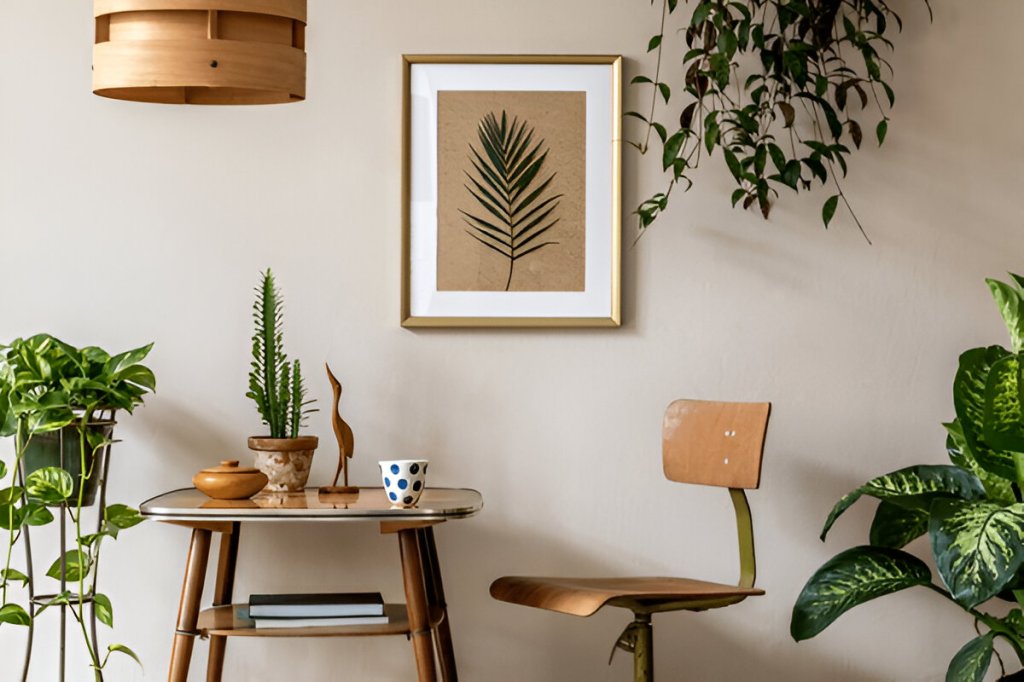
Choosing the Right Picture Framing
Matching Frame to Art
Match minimalist artwork with simple frames—think thin metal or natural wood. For traditional mediums like watercolours or oils, use ample matting or deeper wood frames to add grace.
Photography works well in sleek black or white frames for contrast. Colour photography offers flexibility—frame in neutrals or pick a tone from the image for harmony.
Reflecting Your Room Style
Your décor should guide framing choices. Coastal themes pair nicely with weathered wood or rope details. Industrial spaces suit raw steel or metal frames—think visible welds or patina.
Mid-century modern interiors love teak or brass frames. Simplistic, period-appropriate framing complements the clean, functional design of this era.
Budgeting Smartly
You don’t need to splurge on every frame. Invest in quality for treasured pieces with archival materials and UV protection. For everyday or seasonal art, ready-made frames offer great style at lower cost. Buying matching frames in bulk (maybe during a sale) helps create curated look affordably.
Consider longevity: hardwood or metal frames pay off in durability. Plastic or composite frames work well for changing displays.
Sustainable & Future-Forward Framing
Eco-Friendly Materials
Recycled timber frames bring history and texture. Upcycled items—like old window frames turned into gallery displays—combine sustainability and uniqueness.
Many modern frames now use recycled plastic or eco-friendly bamboo. Some brands even offer frame recycling programs, turning old into new in a circle of sustainable design.
Local & Low-Impact Craftsmanship
Australian timber—like Tasmanian oak or Victorian ash—supports local artisans and cuts down transport emissions. Native hardwoods (jarrah, blackbutt) make striking heirloom frames.
Look for framers using water-based finishes and renewable energy limits for lower VOCs and environmental impact.
What’s Next in Picture Framing
Keep an eye on biomaterial frames—like mushroom-based mycelium—or fully biodegradable options. 3D printing is also enabling bespoke, artist-designed frames from recycled materials.
Smart framing is on the horizon, too—glass that transitions from transparent to opaque for privacy, or integrated LEDs for subtle display lighting. Soon, frames may not just be decorative—they’ll be functional.
Final Thoughts
Picture framing shapes how we see—and feel about—art. Whether through minimalist floating designs, eco-conscious choices, or high-tech innovation, frames now speak volumes. The secret? Matching materials, proportion, and colour with your art and environment.
Use this guide to find framing that suits your aesthetic, values, and budget. Ultimately, great framing highlights what matters in your home—your story, your memories, your style.






 Aussies Business Blog
Leave a comment