
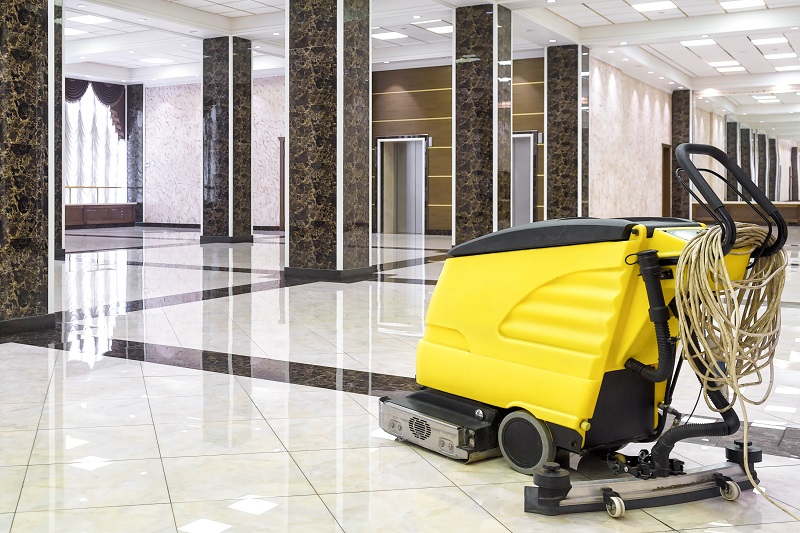
In today’s fast-paced world, where properties are expected to function efficiently and safely, building maintenance has become more crucial than ever. Whether it’s a commercial office, residential complex, school, hospital, or industrial facility, routine maintenance ensures the longevity, safety, and value of any structure.
From small repairs to full-scale inspections, building maintenance plays a vital role in preserving property integrity, minimizing unexpected costs, and ensuring regulatory compliance. In this comprehensive guide, we’ll cover the importance, types, benefits, and best practices of building maintenance for property owners, managers, and tenants alike.
What Is Building Maintenance?
Building maintenance refers to the activities and processes involved in keeping a building and its systems in good working condition. It includes a wide range of tasks designed to prevent damage, ensure functionality, and maintain a safe and comfortable environment.
The primary goal of building maintenance is to ensure that every part of a property — structural, mechanical, electrical, and aesthetic — remains functional, efficient, and visually appealing.
Types of Building Maintenance
To understand the scope of building maintenance, it’s important to recognize the different categories:
- Preventive Maintenance
- Scheduled tasks to prevent system failures and extend equipment lifespan.
- Examples: HVAC servicing, electrical inspections, roof inspections, and plumbing checks.
- Corrective Maintenance
- Reactive repairs performed after a system or component fails.
- Examples: Fixing a leaking pipe, repairing a broken window, replacing burnt-out lights.
- Predictive Maintenance
- Uses data, sensors, and analytics to predict when maintenance should occur.
- Often used in larger commercial or industrial buildings with advanced monitoring systems.
- Emergency Maintenance
- Unplanned work required to address immediate safety hazards or prevent severe property damage.
- Examples: Power outages, burst pipes, fire damage restoration.
- Cosmetic Maintenance
- Focuses on aesthetics and cleanliness.
- Examples: Painting walls, cleaning floors, landscape upkeep, graffiti removal.
Importance of Building Maintenance
Proper building maintenance is more than just a checklist — it’s a vital investment in your property’s health and future.
Ensures Safety
Poor maintenance can lead to serious accidents or health hazards. Regular inspections help detect issues such as mold, loose wiring, and structural weaknesses.
Increases Property Value
A well-maintained building retains and even increases its value over time. It appeals more to tenants, buyers, or investors.
Reduces Long-Term Costs
Preventive and predictive maintenance reduces the need for costly emergency repairs or replacements in the future.
Boosts Occupant Satisfaction
Whether it’s tenants in a residential complex or employees in an office, clean, functional, and comfortable environments improve satisfaction and productivity.
Helps Meet Legal Compliance
Failing to comply with local building codes, safety regulations, and health standards can result in fines, lawsuits, or forced closures.
Key Areas of Building Maintenance
To maintain a building effectively, attention must be given to several key components:
- Structural Elements
- Foundations, walls, ceilings, and roofs.
- Regular inspection for cracks, leaks, corrosion, and moisture.
- Mechanical Systems
- HVAC (Heating, Ventilation, and Air Conditioning)
- Elevators, escalators, and plumbing systems
- Timely servicing avoids breakdowns and energy waste.
- Electrical Systems
- Lighting, power outlets, panels, and wiring.
- Ensure systems meet load demands and are up to safety standards.
- Fire Safety Systems
- Fire alarms, extinguishers, emergency exits, and sprinkler systems.
- Must be tested and maintained to meet fire code regulations.
- Exterior Maintenance
- Roof, siding, windows, landscaping, signage, and walkways.
- Important for curb appeal and weather resistance.
- Interior Upkeep
- Flooring, walls, ceilings, restrooms, and common areas.
- Cleanliness and functionality influence tenant satisfaction and reputation.
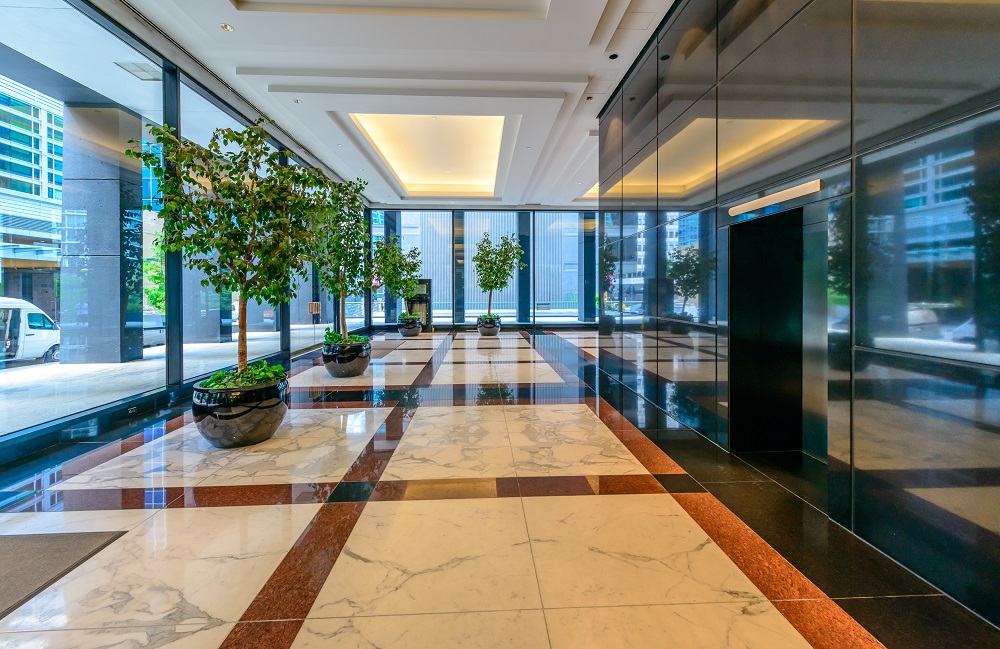
Building Maintenance Checklist (Monthly to Annually)
A strategic building maintenance plan ensures that tasks are performed on time:
Monthly
- Inspect lighting and replace bulbs
- Test smoke detectors and fire alarms
- Clean HVAC filters
- Check for plumbing leaks
- Inspect elevator operations
Quarterly
- Service HVAC systems
- Inspect roof and exterior for wear
- Clean gutters and downspouts
- Check for signs of pests
- Test emergency lighting
Annually
- Deep clean carpets and floors
- Repaint interior and exterior walls if needed
- Perform a full electrical and plumbing inspection
- Review and update safety protocols
- Conduct a full property audit
Benefits of Outsourcing Building Maintenance
Many property owners choose to outsource building maintenance to professional facility management companies. Here’s why:
Expertise and Efficiency
Trained technicians handle a wide range of services quickly and effectively.
Cost Savings
Outsourcing reduces overhead and allows for better budgeting through service contracts.
24/7 Emergency Support
Professional maintenance companies often provide round-the-clock support.
Custom Maintenance Plans
Get tailored solutions based on your building type, usage, and regulatory requirements.
Choosing the Right Building Maintenance Provider
When hiring a maintenance provider, consider the following:
- Experience and credentials in handling your type of property.
- Comprehensive service offerings, from electrical to janitorial.
- Flexible contracts for scheduled or on-demand services.
- Good reputation with positive client testimonials or case studies.
- Use of modern tools like maintenance software or digital reporting.
Building Maintenance Trends for 2025
As technology continues to evolve, so does the world of building maintenance. Here are a few trends to watch:
Smart Building Technology
IoT sensors monitor systems in real-time and trigger predictive maintenance alerts.
Sustainable Practices
Eco-friendly products, energy audits, and green certifications are becoming standard.
Cloud-Based Maintenance Management
CMMS (Computerized Maintenance Management Systems) streamline scheduling, tracking, and documentation.
Integrated Facility Management
One-stop providers offering bundled services — from landscaping to HVAC — under one contract.
Conclusion
Building maintenance is the backbone of any successful property operation. Whether you own a small commercial unit or manage a large residential complex, a proactive approach to maintenance protects your investment, ensures safety, and enhances property value.
By implementing a regular maintenance plan, staying compliant with local regulations, and leveraging professional services when needed, you ensure that your building remains efficient, attractive, and problem-free for years to come.





 Aussies Business Blog
Leave a comment